
Toddler Play-Area Safety Checklist for Parents
Anyone who has seen a toddler play knows how quickly curiosity takes over. That unpredictability is exactly why safety in a toddler play area deserves a few minutes of attention before play begins.
Check the layout, floor surfaces, age specific play zones, cleanliness, supervision and emergency arrangements instead of assuming that every indoor play area manages risk in the same way.
A safety checklist makes these checks easier when a busy room is competing for your attention. Look for torn padding and nets, loose pieces, sharp corners and older children using toddler equipment. A safe play center should separate toddlers from older, faster children and have attentive staff who respond when problems are reported. Even then, stay nearby. The checks below cover what matters before and during a visit.
Why Toddler Play-Area Safety Matters
In practice, toddler play area safety works best when several things support one another, suitable design, regular maintenance, clear venue rules, alert staff and parents who oversee their kids while playing.
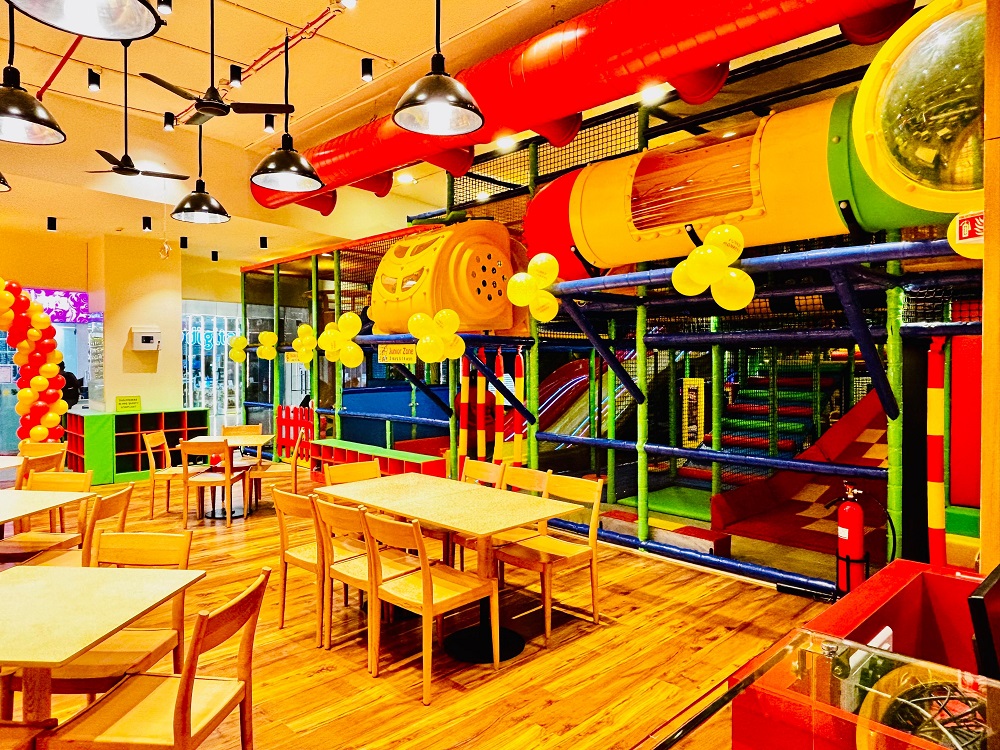
Soft Play Safety Checklist Before Entering Play Zones :
1. Check Age and Height Restrictions
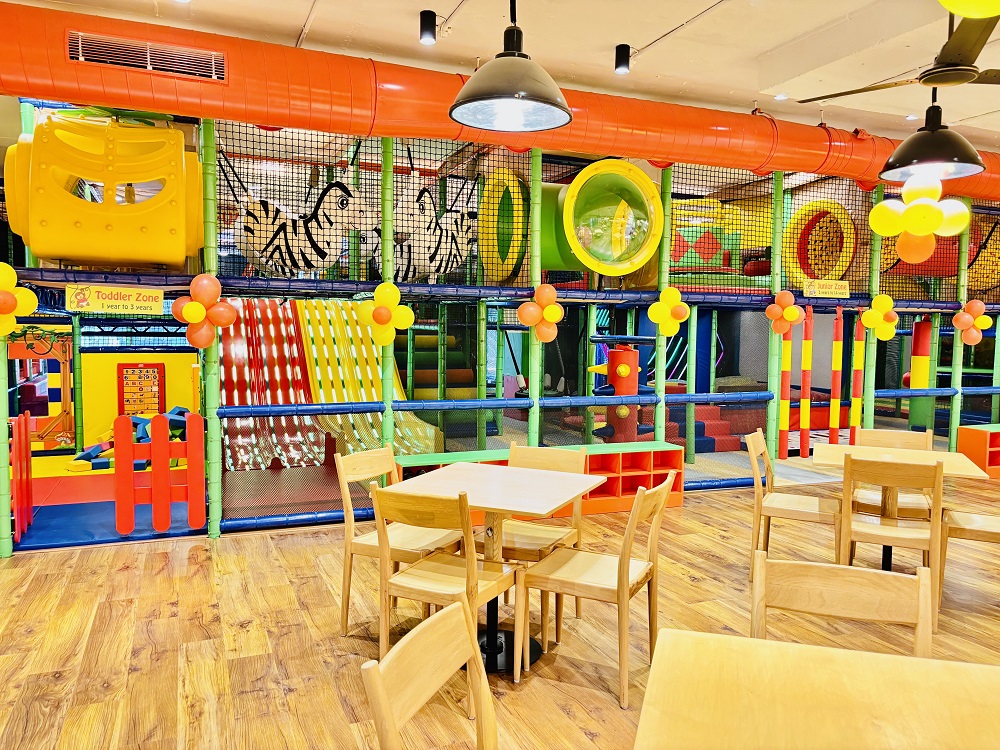
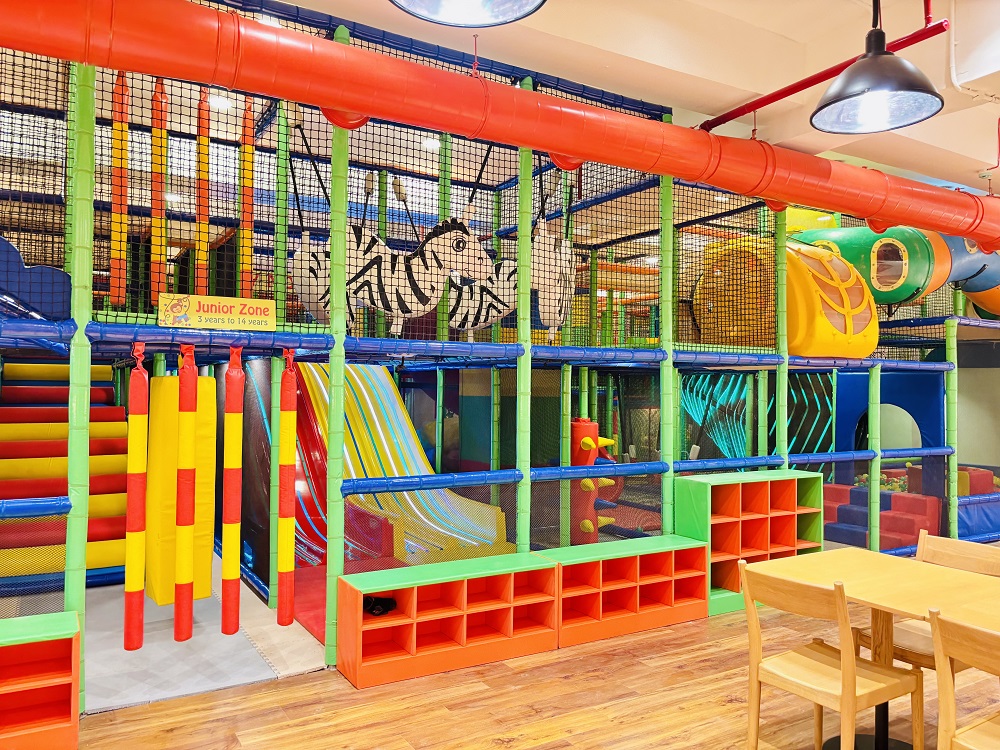
Find the toddler zone and read the age or height limits before letting your child enter. A safe play center does not allow older children into a toddler area simply because another section is crowded.
2. Inspect Floors and Protective Padding
Padding should sit securely, without gaps, wet patches, exposed edges or foam that have become noticeably thin.
3. Examine Nets, Barriers and Openings
Netting should feel firmly secured and show no obvious holes or sagging sections. Pay particular attention to gaps beside gates, steps and platforms, where a head, arm, leg, finger or a piece of clothing might become trapped.
4. Review Cleanliness and Hygiene
Add ball pits, shared toys, toilets, snack tables and changing spaces to your soft play safety checklist. Handwashing facilities or sanitisers should also be easy to find.
5. Confirm Supervision and Emergency Procedures
Before settling down, notice where staff are positioned and whether they can see the toddler zone. Locate the exits and the nearest help point. A safe play center should be able to explain what happens after an injury, if a child goes missing or when the building must be evacuated.
What Parents Should Monitor During Play
Stay Close and Maintain Sight
Choose a position that gives you a clear view instead of relying on staff to watch individual children. Specially near climbing steps, entrances and slide exits.
Watch How Children Use Equipment
Expect attempts to climb up slides, squeeze past others in tunnels or carry hard toys onto padded equipment. Redirect the behaviour calmly. Toddler play area safety also involves noticing nearby children whose speed or rough play may put someone smaller at risk.
Prevent Clothing and Accessory Hazards
Before play, remove scarves, necklaces, drawstrings, badges, sharp hair accessories, bangles and anything else that may snag. Follow the footwear rules posted by the venue. Grip socks can help on smooth surfaces, but they should fit properly and remain in good condition.
Take Breaks Before Tiredness Takes Over
Hunger, tiredness and too much noise can turn confident play into stumbling or distress surprisingly
quick. Pause for water and a quiet break. Leave if your child feels unwell or can no longer play safely.
Warning Signs Parents Should Not Ignore
Pause play and speak to staff if you notice :
- Torn padding, exposed metal, sharp edges or loose fixtures
- Wet floors, visible dirt, unpleasant odours or soiled equipment
- Overcrowding or older children entering toddler-only areas
- Broken gates, damaged netting or unguarded openings
- Staff ignoring repeated rough behaviour or reported hazards
- Emergency exits blocked by furniture, bags or equipment
Frequently Asked Questions
1. What should parents check at a toddler play area?
Check age restrictions, padding, floors, barriers, cleanliness, crowding, visibility, staff availability, exits and first-aid arrangements. Continue supervising throughout the session.
2. How can I identify a safe play center?
A safe play center has well maintained equipment, separate age zones, visible rules, clean facilities, trained staff, controlled entry and exit and clear emergency procedures.
3. Are soft play areas completely safe for toddlers?
No play environment is risk-free. Soft surfaces may reduce injury severity but collisions, falls, entrapment, illness and unsafe behaviour remain possible.
4. What should a soft play safety checklist include?
It should cover equipment condition, padding, netting, age suitability, hygiene, supervision, clothing, crowding, emergency exits, first aid and incident reporting.
5. Should parents supervise children in a staffed play center?
Yes. Staff oversee the venue, but parents should maintain sight of toddlers and intervene when their child uses equipment unsafely or appears distressed.
6. What clothing is safest for soft play?
Choose fitted, comfortable clothing without cords, jewellery, scarves or sharp accessories. Follow the venue’s rules regarding shoes and grip socks.